Buying your first mountain bike is exciting, but it can also feel confusing the moment you walk into a bike shop or start searching online. Suddenly, you are surrounded by words like hardtail, full suspension, geometry, travel, drivetrain, and wheel size. Every brand claims their bike is the best, every review seems to recommend something different, and before you know it, choosing a bike becomes more stressful than exciting.
The truth is, most riders remember their first mountain bike long after they upgrade to something more expensive. Not because it was perfect, but because it was the bike that introduced them to the trails, the crashes, the adrenaline, and the freedom that mountain biking offers. Your first bike does not need to be the lightest, fastest, or most expensive machine on the market. It simply needs to be the right bike for the kind of riding you want to experience.
One of the biggest mistakes beginners make is assuming they need a high-end bike immediately. Modern mountain bikes have become incredibly advanced, and while premium bikes are impressive, entry-level bikes today are far more capable than many riders realize. A decent aluminum hardtail can already handle trails, climbs, and technical terrain well enough for most new riders. Spending more money usually gives you lighter components, better suspension, and more refined ride quality, but it does not automatically make someone a better rider. In fact, many experienced riders still believe that learning on a simpler bike helps develop better technique and bike control.
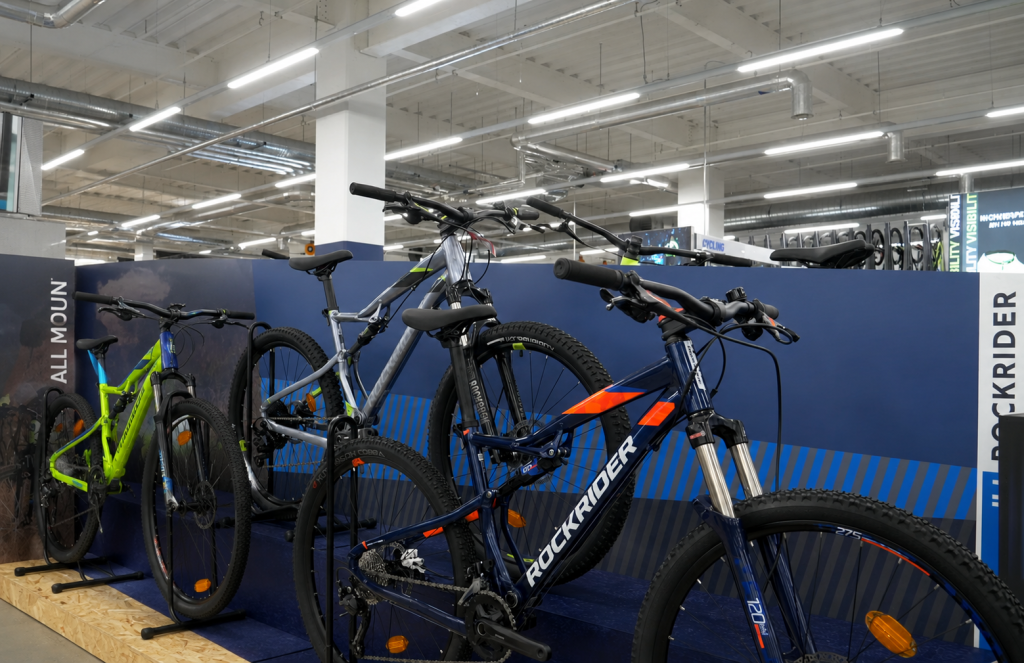
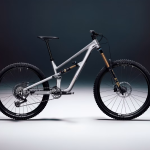
The first real decision most beginners face is choosing between a hardtail and a full suspension bike. A hardtail uses suspension only at the front, while the rear remains rigid. Because of this simpler design, hardtails are lighter, easier to maintain, and usually more affordable. They also tend to teach riders better line choice and handling skills because the bike gives more direct feedback from the trail. Full suspension bikes, on the other hand, add a rear shock that absorbs impacts and improves comfort and traction. They feel smoother and more forgiving on rough terrain, but they are also heavier, more expensive, and mechanically more complex.
For many riders entering the sport, a hardtail often makes more sense. It provides excellent value, teaches fundamental riding skills, and leaves room in the budget for important accessories like helmets, pedals, gloves, and shoes. Mountain biking is not only about the bike itself. The overall experience becomes much better when you have proper safety equipment and comfortable gear.
Another important thing beginners often overlook is the type of riding they actually want to do. Mountain biking is not one single discipline. Some riders enjoy long climbs, fitness rides, and covering distance efficiently. Others are more interested in technical descents, jumps, rough trails, and bike park riding. These two riding styles influence the geometry and personality of the bike.
Cross-country bikes are generally designed for efficiency. They use steeper geometry, lighter frames, and quicker handling to make climbing and pedaling easier. Trail bikes are different. They are built to inspire confidence on rough terrain, usually featuring slacker head angles, wider handlebars, shorter stems, and more suspension travel. Modern trail geometry has become extremely popular because it gives riders more stability and confidence when descending steep or technical trails.
This is where bike geometry becomes far more important than many beginners realize. Geometry is essentially the shape and proportions of the bike, and it dramatically affects how the bike feels on the trail. A bike with relaxed geometry feels more stable at speed and more forgiving on descents, while steeper geometry tends to feel sharper and more responsive when climbing. Many new riders initially focus only on component brands, but experienced riders often say that geometry shapes the ride experience more than anything else.
Frame material is another topic that generates endless discussion in mountain biking. Aluminum remains the most common material for beginner and mid-range bikes because it offers durability and excellent value. Carbon fiber is lighter and stiffer, but it also costs significantly more. While carbon bikes look appealing, a high-quality aluminum bike is often a smarter choice for a first bike. Modern aluminum frames are incredibly capable, and many professional riders still choose alloy bikes because of their durability and ride feel.
Suspension is another area where modern bikes have evolved dramatically. Even entry-level mountain bikes now feature suspension forks that make riding trails far more comfortable and controlled. More expensive suspension systems add adjustability, lighter materials, and better damping performance, but beginners do not necessarily need advanced suspension immediately. What matters more is having a suspension setup that feels predictable and confidence-inspiring. Riders who plan to explore rougher terrain or technical trails may eventually appreciate the advantages of full suspension, but for learning the basics, a simple setup is often more than enough.
Wheel size also changes how a bike behaves. The two dominant sizes today are 27.5-inch and 29-inch wheels. Larger 29-inch wheels roll over obstacles more easily and provide additional grip and stability, while smaller 27.5-inch wheels tend to feel more playful and maneuverable. Neither is universally better. The right choice depends on rider preference, terrain, and riding style. Many beginners eventually realize that wheel size matters less than overall bike fit and comfort.
Perhaps the most important lesson for first-time buyers is understanding that mountain biking is a journey, not a single purchase. Riders constantly evolve. Skills improve, confidence grows, and riding styles change over time. The bike you buy today may not be the bike you ride three years from now, and that is perfectly normal. Most experienced riders started on simple bikes and upgraded later once they understood what they truly wanted from the sport.
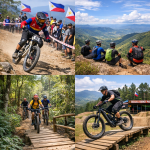
What matters most in the beginning is not owning the perfect bike. It is getting outside, exploring trails, meeting other riders, and discovering the kind of riding that excites you. Some riders fall in love with climbing mountains and chasing endurance goals. Others become obsessed with downhill speed, jumps, and technical terrain. Your first mountain bike is simply the beginning of that story.
And once you experience your first proper trail ride, there is a good chance you will understand why so many people become completely addicted to mountain biking.