Why Mountain Bikes Are Becoming So Expensive
By Jerwin Antivola13 Apr 2026◷ 3 min readMTB
MTBs are getting expensive—but why? 💸 Discover the real reasons behind the price surge and whether you really need that high-end build.
If you’ve browsed a bike shop or online store recently, you’ve probably noticed a dramatic shift in pricing. High-end mountain bikes now commonly exceed $10,000–$15,000 AUD, while mid-range models often sit between $3,000–$6,000 AUD.
This rapid increase raises an important question: why are mountain bikes becoming so expensive?
The answer is not driven by a single factor. Instead, it reflects a combination of technological advancement, material innovation, global economic pressures, and the evolution of mountain biking into a high-performance sport.
From Bicycles to High-Performance Machines
Modern mountain bikes are no longer simple mechanical tools—they are precision-engineered systems designed for performance, control, and durability.
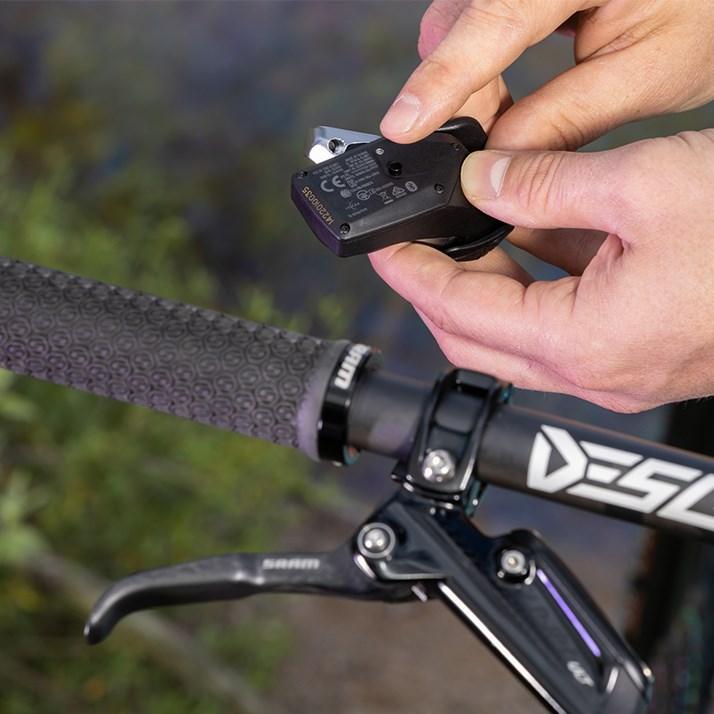
Technologies such as wireless electronic drivetrains, including those developed by SRAM , eliminate traditional cables and provide faster, more consistent shifting. At the same time, advanced suspension platforms from brands like FOX Racing Shox are engineered to maximize traction and stability on aggressive terrain.
Developing these technologies requires significant investment in research, testing, and refinement. Much like the automotive industry, bike manufacturers continuously innovate to remain competitive. These costs are ultimately reflected in the final retail price.
The Cost of Advanced Material
Material selection plays a major role in pricing. High-end mountain bikes commonly use carbon fiber due to its excellent strength-to-weight ratio and vibration-damping properties.
However, carbon fiber manufacturing is complex. It involves precision layering, controlled curing processes, and strict quality assurance standards. Compared to aluminum, carbon frame production can cost two to three times more, particularly when combined with modern features such as internal cable routing and integrated frame designs.
In addition, these processes require skilled labor and specialized facilities, further increasing production costs.
Global Supply Chain Pressures
The global bicycle industry has experienced significant disruption in recent years. During the COVID-19 pandemic, demand for bicycles surged as outdoor activities became more popular. At the same time, supply chains faced major constraints.
Even today, the industry continues to deal with:
Increased shipping and logistics costs
Higher labor expenses
Ongoing component shortages
These challenges have led to sustained price increases and effectively reset the baseline cost of mountain bikes worldwide.
The Performance Arms Race in MTB Design
Competition between manufacturers has intensified, resulting in continuous performance improvements. Brands are constantly working to produce lighter frames, more efficient suspension systems, and more powerful braking technologies.
For example, modern braking systems have evolved significantly to meet the demands of aggressive riding styles, offering greater control and stopping power. While these advancements improve rider experience and safety, they also require extensive engineering and testing, which adds to overall costs.
Branding, Marketing, and the Lifestyle Factor
Mountain biking has grown beyond a sport into a global lifestyle. Manufacturers invest heavily in branding, athlete sponsorships, media production, and community engagement.
These efforts contribute to:
Brand recognition and prestige
Influence from professional riders
Strong community identity
While these elements enhance the overall experience of owning a bike, they also form part of the product’s cost structure.
Value vs Cost: Is It Still Worth It?
The increasing cost of mountain bikes reflects their transformation into highly advanced machines rather than simple price inflation. For dedicated riders, the benefits—such as improved performance, durability, and safety—can justify the investment.
However, it is important to note that mid-range bikes often deliver 70–80% of the performance of premium models at a significantly lower price point. For many riders, these options represent a more practical and cost-effective choice.
Ultimately, the right bike depends on individual riding style, terrain, and performance needs.