Hardtail or full suspension? Start with your real riding
By ELEV8 Editorial13 Oct 2026◷ 2 min readMTB
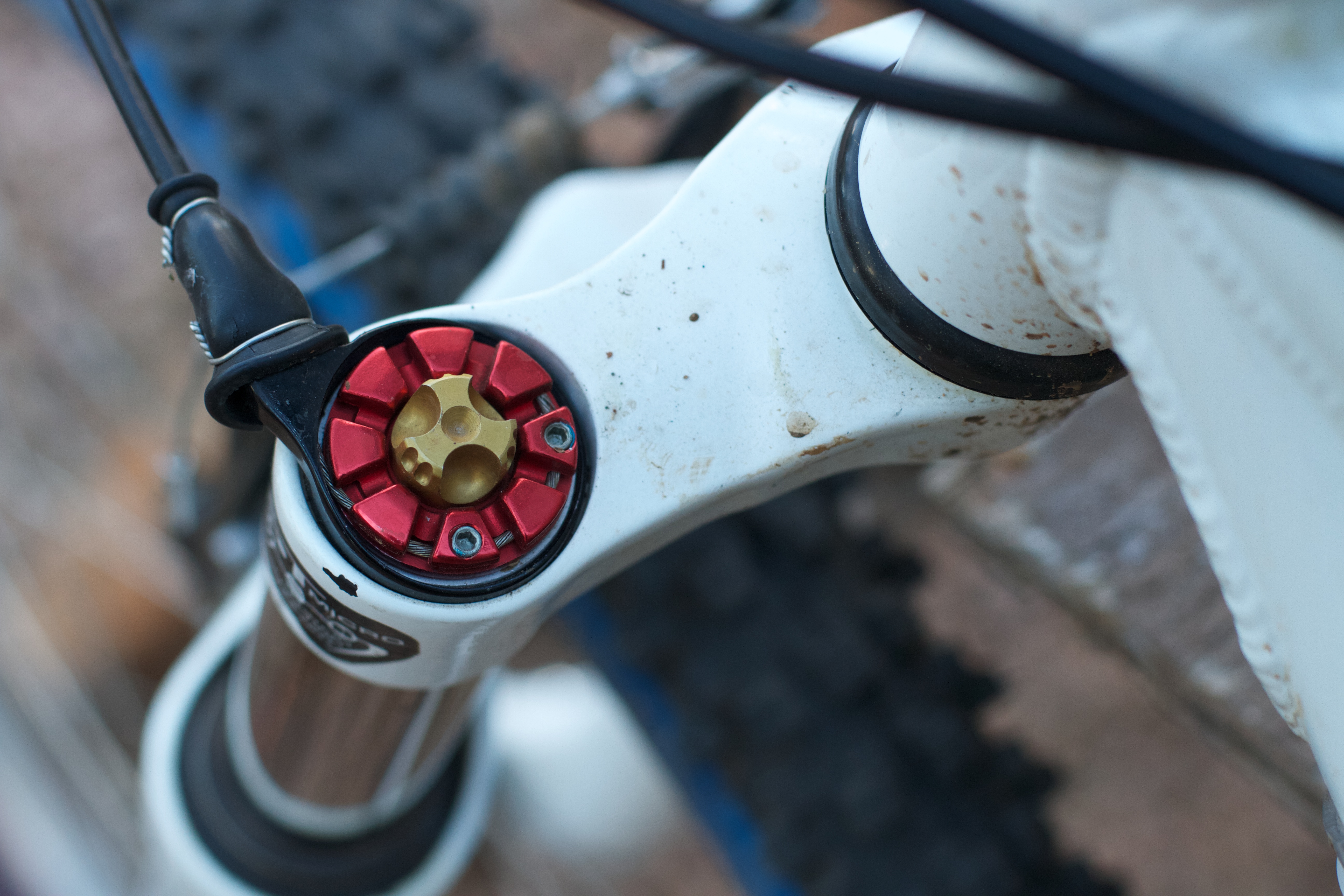
A bike purchase feels simpler when you describe the rides you expect to do before looking at component lists. The right comparison includes the terrain, fit, maintenance and the total amount you can comfortably spend.
Understand the distinction
A hardtail has front suspension and no rear suspension. A full-suspension mountain bike adds a rear shock and a moving rear suspension system. REI explains these formats and the comfort and control benefits that suspension can provide. Neither label tells you everything about the suitability of a particular bike.
Compare two complete ownership plans
Write down the purchase price, service requirements, available local support and anything needed to make each candidate fit. Ask the shop to explain the exact suspension model and its maintenance schedule. An appealing discount is less useful if routine servicing is inconvenient or key parts are difficult to obtain.
Test the questions that matter
If a suitable test ride is available, use it to judge fit and confidence rather than to imitate a reviewer’s verdict. Can you reach the controls comfortably? Does the shop understand your intended riding? Take notes and compare them after the excitement of the visit fades. This is a decision framework, not a product test or a claim that one format is always better.

